A licensed natural gas plumber in Kaufman County must carry active state credentials before touching any gas line, appliance connection, or LP gas system in your home or business. Because natural gas carries real combustion and leak risks, Texas law requires specialized certification that goes well beyond a standard plumbing license. Homeowners and business owners across Terrell and greater Kaufman County often ask how to verify these credentials, how to recognize the warning signs of a leak, and how to find a local company that genuinely holds the required licenses. This guide answers every one of those questions in detail and explains exactly what to expect when you hire a properly certified natural gas plumbing team.
Quick answer: A licensed natural gas plumber in Kaufman County holds an active Texas plumbing license plus state-recognized certification for natural gas and LP gas installation, repair, and inspection. Always confirm both credentials — plus current liability insurance — before any gas line work begins on your property.
What Is a Licensed Natural Gas Plumber in Kaufman County?
A licensed natural gas plumber in Kaufman County is a plumbing contractor who holds an active Texas plumbing license along with additional, separate certification for natural gas and LP gas work. In particular, that certification proves the plumber has passed testing on gas line sizing, proper venting, leak detection, and code compliance specific to fuel-gas systems, not just water and drain plumbing.
The Texas State Board of Plumbing Examiners oversees plumbing licensing statewide, and its public license lookup tool lets you confirm a contractor’s status in minutes. Meanwhile, natural gas is a flammable fuel delivered through pressurized underground lines, which is precisely why hands-on training with fuel-gas systems is treated as a distinct skill set from general plumbing work like drain cleaning or fixture replacement.
In short, a plumbing license alone is not enough. A genuinely qualified certified gas plumber can show you both credentials side by side, and a trustworthy company will never hesitate to do so.
Why a Certified Gas Plumber Protects Your Family and Property
Hiring a certified gas plumber matters because a single improperly connected fitting can lead to a slow leak that goes unnoticed for weeks. As a result, the risks extend beyond inconvenience into genuine fire, explosion, and health hazards for everyone inside the building.
The Pipeline and Hazardous Materials Safety Administration, known as PHMSA, tracks pipeline safety nationwide, and its data consistently identifies aging or improperly installed fuel-gas lines as a leading cause of preventable gas-related incidents. Consequently, homeowners who skip proper certification checks accept avoidable risk. In addition, insurance claims related to gas damage are frequently denied when unlicensed work is discovered, leaving property owners to cover repair costs entirely out of pocket.
Above all, remember that gas work is one of the few plumbing tasks where a mistake can be fatal rather than merely costly. Therefore, the few extra minutes spent verifying credentials are always worth it.
Gas Line Installation Services From a Licensed Natural Gas Plumber
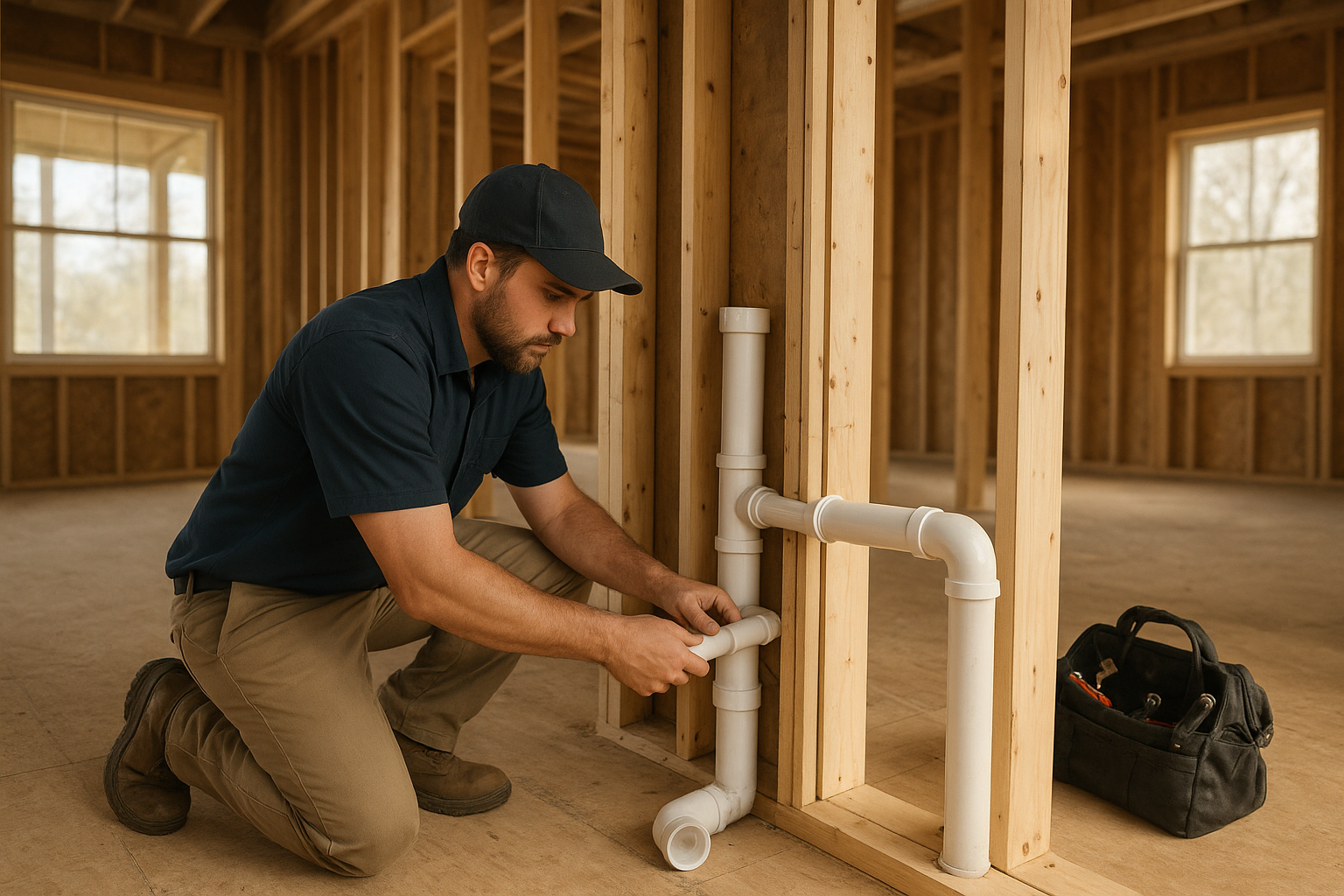
A licensed natural gas plumber handles far more than emergency repairs. In new construction, for example, the plumber designs and installs the entire gas distribution system, sizing each line to match appliance demand and local code requirements. Similarly, in existing homes, a certified team can extend service to a new range, outdoor kitchen, fire pit, pool heater, or backup generator without compromising the pressure balance of the rest of the system.
For rural Kaufman County properties without access to utility gas lines, LP, or liquid propane, installation is equally common. If you’re unsure which option applies to your property, this resource on LP gas line installation near Kaufman County walks through tank placement, regulator sizing, and delivery logistics in more detail.
In particular, every new installation should include a full pressure test before the system is ever turned on for daily use. A natural gas plumbing contractor who skips this step is cutting a corner that should never be cut.
Gas Line Repair and Leak Detection Explained
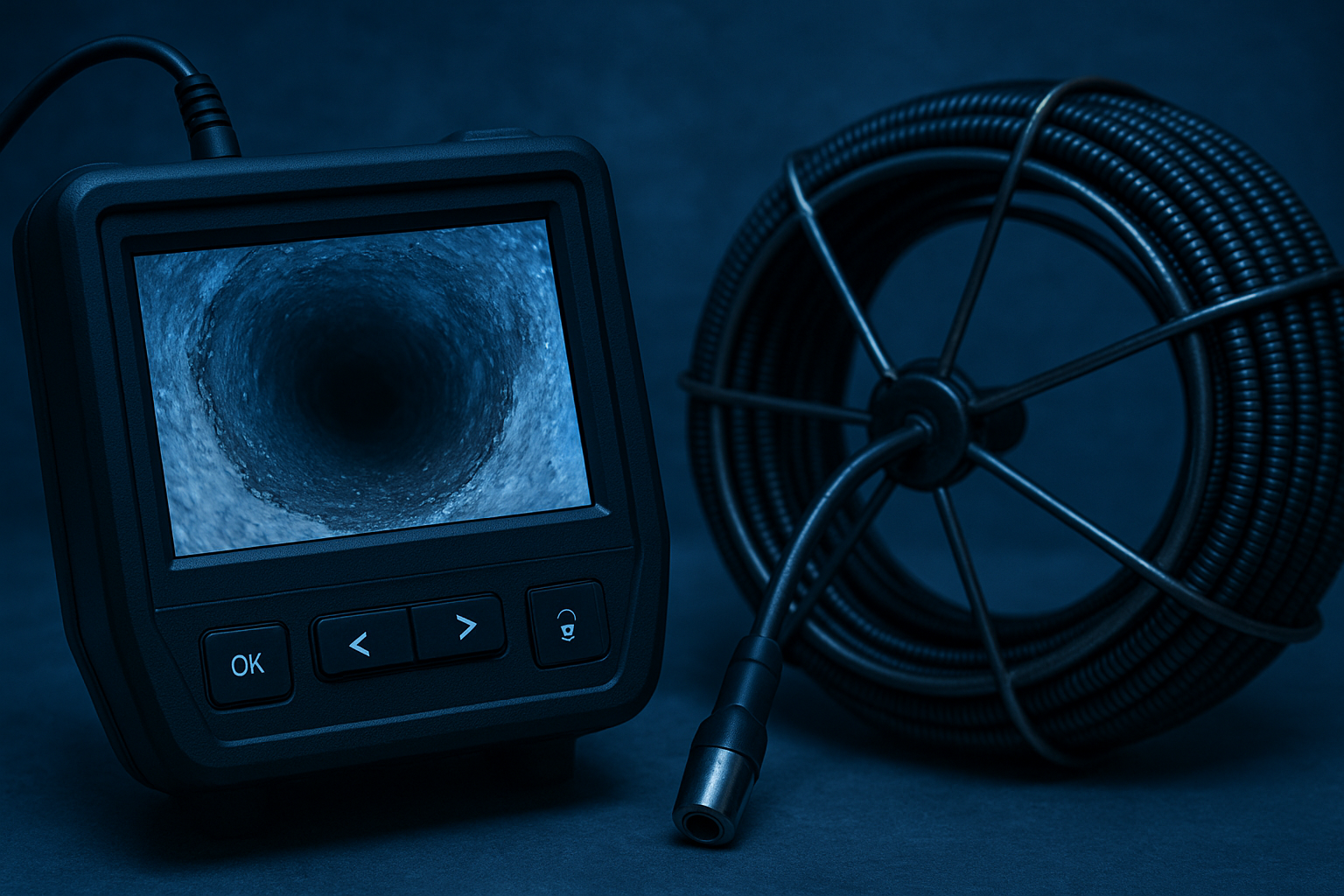
Repair work differs from installation in one key way: it almost always starts with diagnosis rather than a known scope of work. A qualified gas line plumber uses electronic leak detectors, soap-bubble testing, and manometer pressure readings to pinpoint the exact location of a leak before cutting into drywall, flooring, or landscaping.
Once the leak is located, the plumber repairs or replaces the affected section, then re-tests the entire line under pressure to confirm the fix holds. For that reason, a repair visit from a properly certified team typically takes longer than many homeowners expect — but that extra diligence is exactly what prevents a repeat call a few weeks later.
Gas Line Materials: Black Iron Pipe vs. CSST
Most Kaufman County homes use one of two materials for interior gas distribution: black iron pipe or corrugated stainless steel tubing, often abbreviated as CSST. Black iron pipe is rigid, threaded, and has been the traditional standard for decades. In contrast, CSST is flexible, bends around obstacles without extra fittings, and often speeds up installation in retrofit projects.
Each material has specific bonding, grounding, and support requirements under Texas plumbing code. Consequently, a licensed natural gas plumber will choose the material — and install it to the correct specification — based on the application, not simply on what is fastest or cheapest to install.
Permits and Code Requirements for Gas Line Work in Texas
Most new gas line installations and many repairs require a permit and a follow-up inspection before the system can be placed into service. This requirement exists specifically because fuel-gas work carries higher risk than standard water or drain plumbing, and it gives a second set of trained eyes a chance to catch any issue before gas ever flows through the line.
A reputable natural gas plumbing contractor handles the permitting process on your behalf, scheduling the required inspection and coordinating with local code officials. If a company tells you a permit “isn’t necessary” for a new gas line, treat that as a serious red flag rather than a convenience.
Warning Signs You Need a Gas Line Plumber Right Away
Several warning signs point to a problem that needs a qualified gas line plumber immediately rather than waiting for a scheduled appointment. Specifically, watch for the following:
- A persistent rotten-egg smell near appliances, meters, or outdoor lines.
- A hissing or whistling sound coming from a pipe, connector, or valve.
- Unusually high gas bills without a corresponding increase in usage.
- Dead, discolored, or unusually lush patches of grass near buried lines.
- Pilot lights that repeatedly go out or burn with an unusual flame color.
- A white cloud, mist, or dust blowing from the ground near a buried line.
If you notice any of these signs, leave the area and contact a certified plumbing team right away. Above all, never attempt to locate or repair a suspected leak yourself.
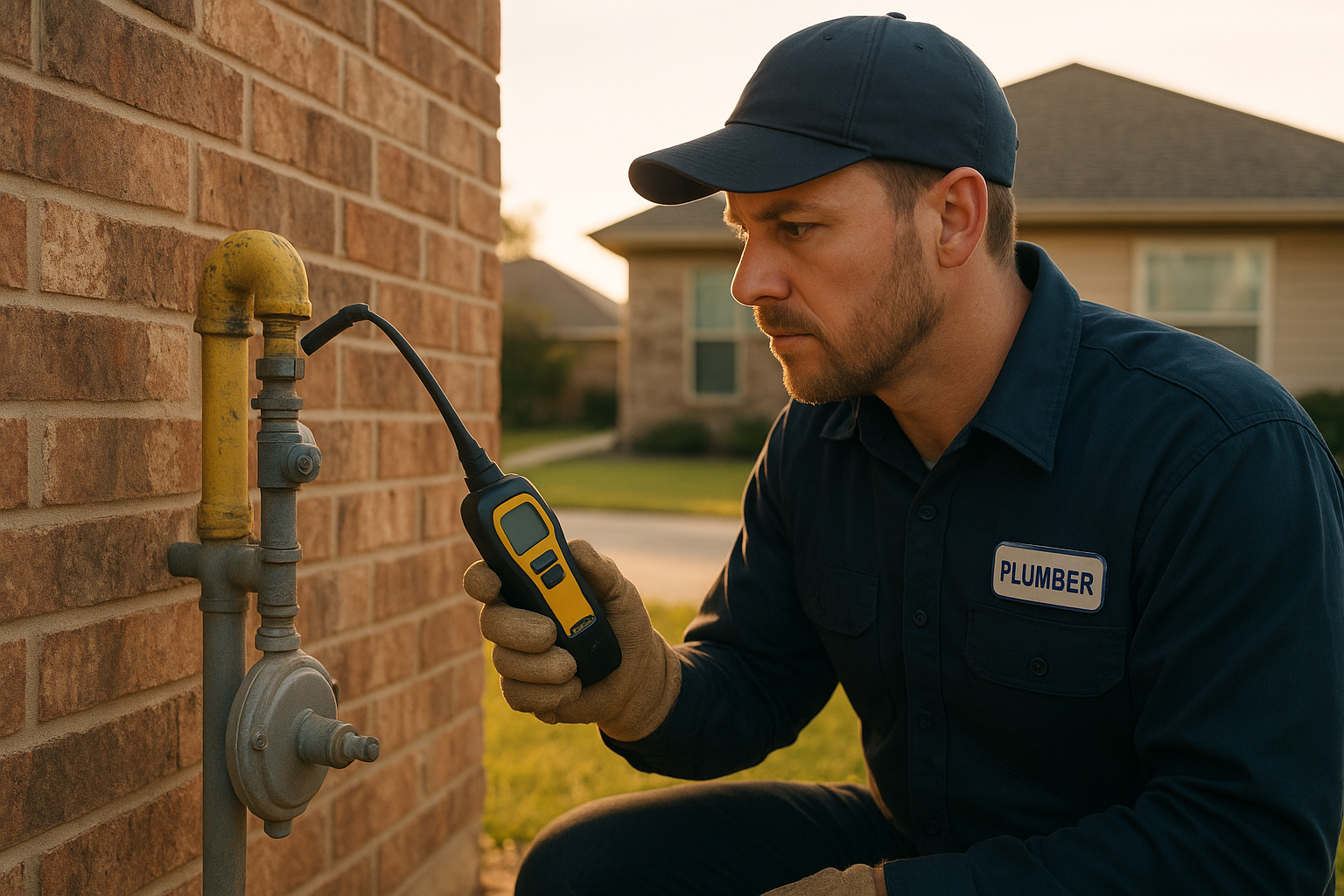
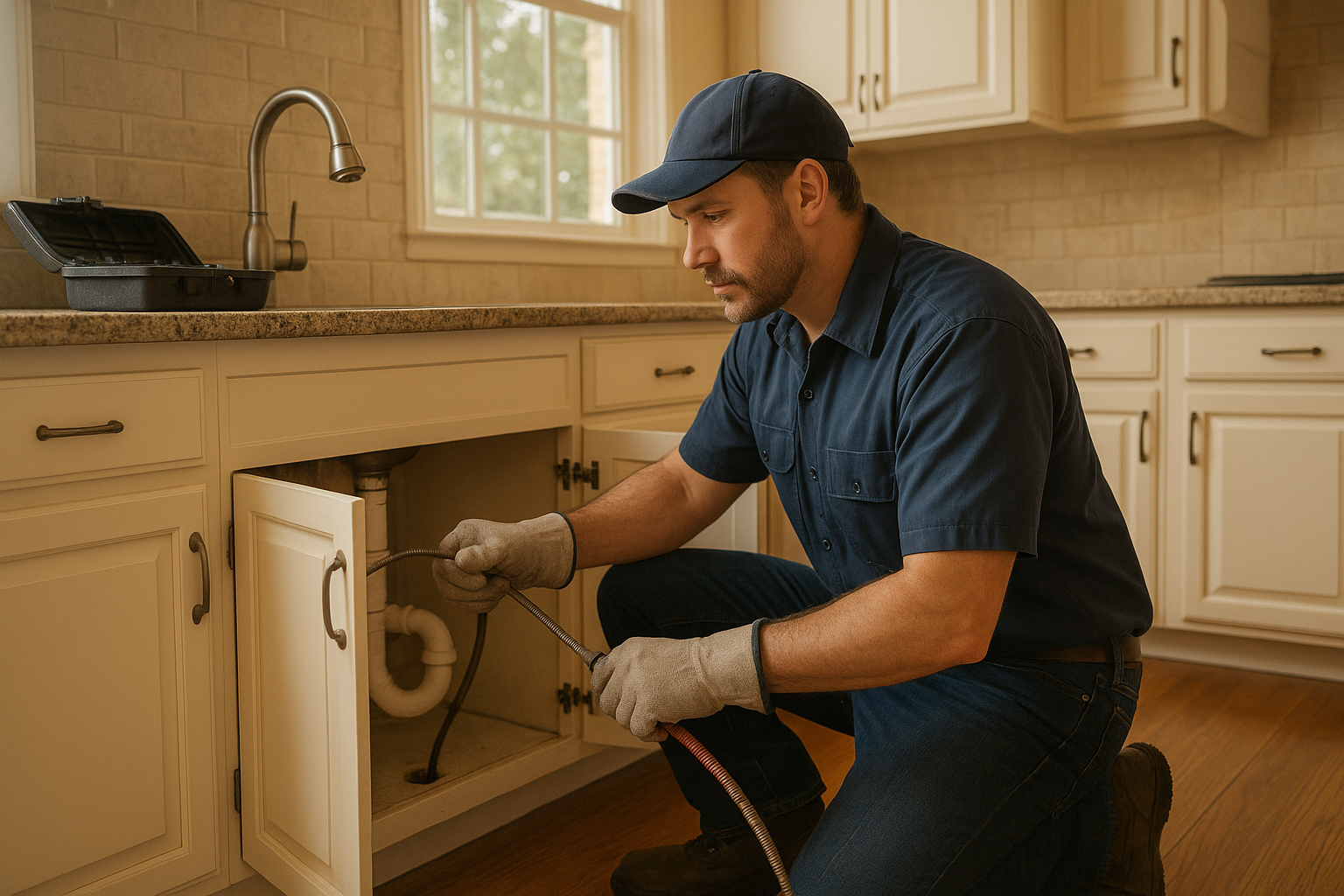
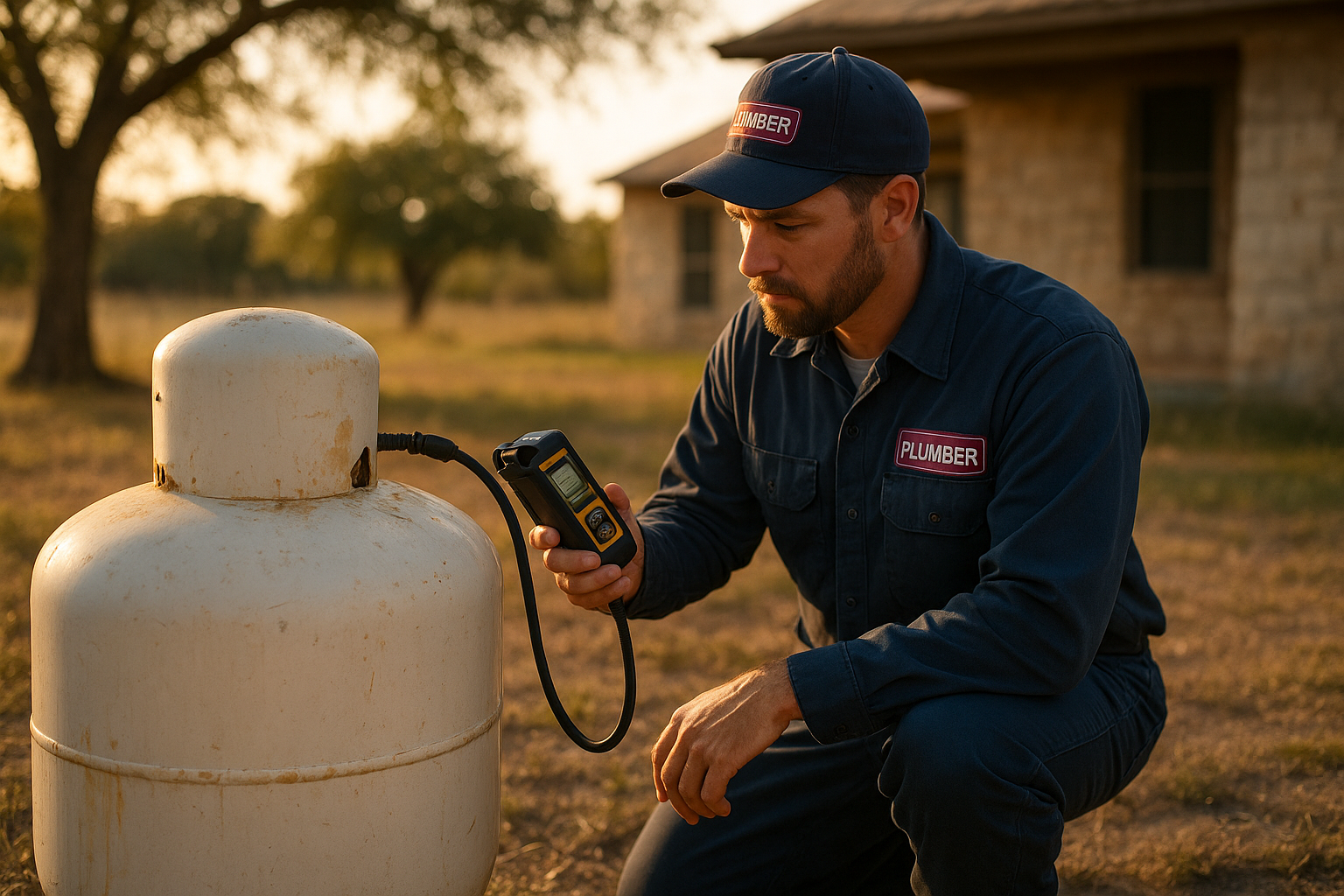
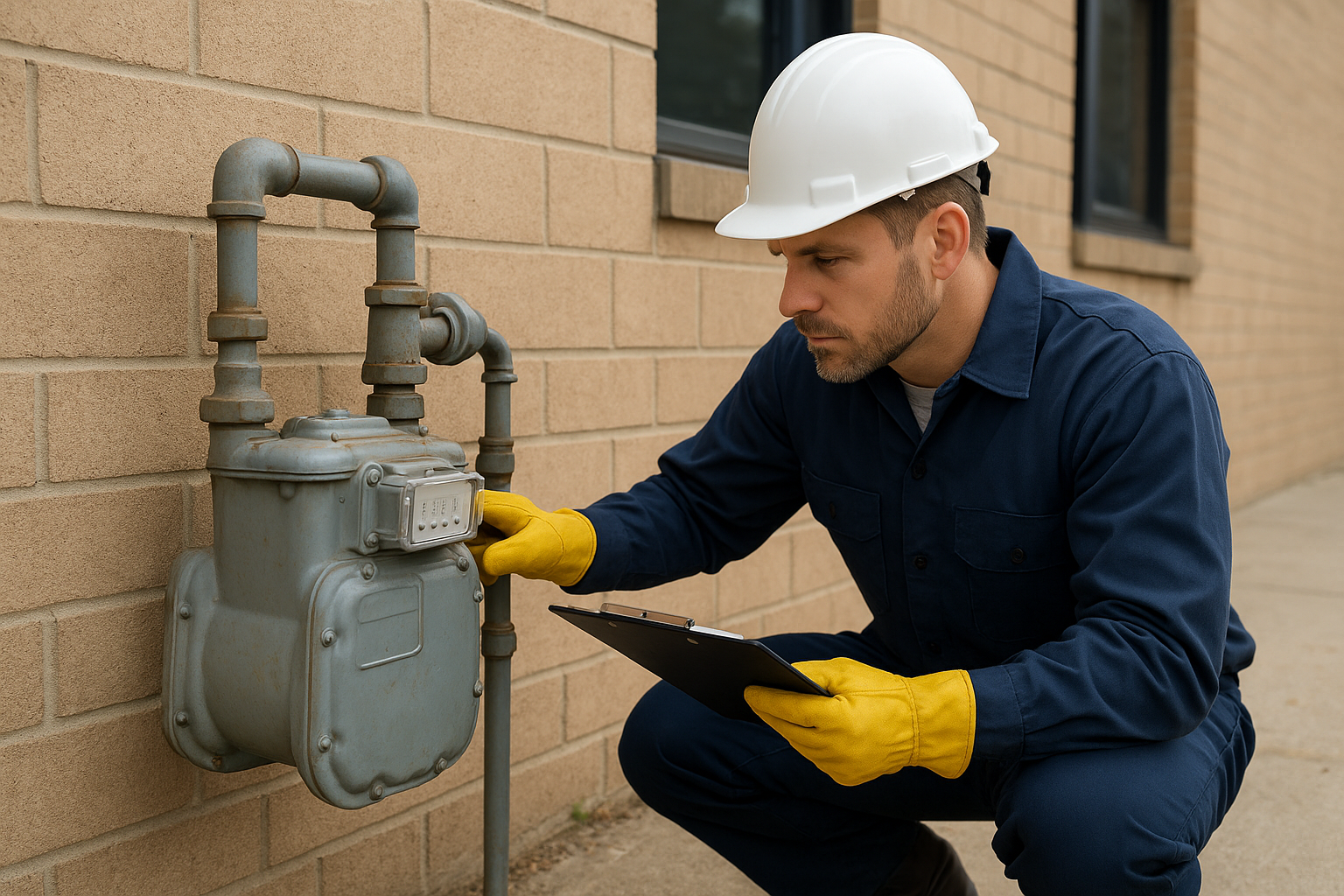
A licensed natural gas plumber Kaufman County homeowners trust checks an outdoor gas connection for leaks.
What to Do If You Suspect a Gas Leak
If any of the warning signs above apply to your property, act quickly but calmly. First, evacuate everyone, including pets, away from the building. Second, avoid flipping light switches, lighting matches, or using a phone inside the structure, since even a small spark can ignite accumulated gas. Third, call your gas utility provider or a certified plumber from a safe distance, and do not re-enter the property until a professional confirms it is safe.
How to Verify a Plumber’s Natural Gas License in Texas
Verifying credentials before hiring anyone takes only a few minutes, yet it can prevent costly and dangerous mistakes. Therefore, follow these steps before scheduling any gas line service:
- Ask for the plumber’s Texas plumbing license number and confirm it is active through the Texas State Board of Plumbing Examiners website before scheduling any gas line work.
- Request proof of specific natural gas or LP gas certification, since a standard plumbing license alone does not authorize fuel-gas installation or repair work in Texas.
- Verify that the company carries current liability insurance and can provide proof of coverage, protecting your property if damage occurs during gas line installation or repair.
- Ask how long the technician has worked specifically with natural gas and LP gas systems, since hands-on experience matters more than licensing alone when diagnosing leaks.
- Confirm the plumber will test all new or repaired gas connections with a pressure test and leak detection equipment before leaving the property, ensuring the system is safe.
For additional context on pipeline safety oversight, the Railroad Commission of Texas regulates certain gas utility operations statewide, which reinforces just how seriously Texas treats fuel-gas safety.
Harris Plumbing TX: A Licensed Natural Gas Plumber Kaufman County Families Trust
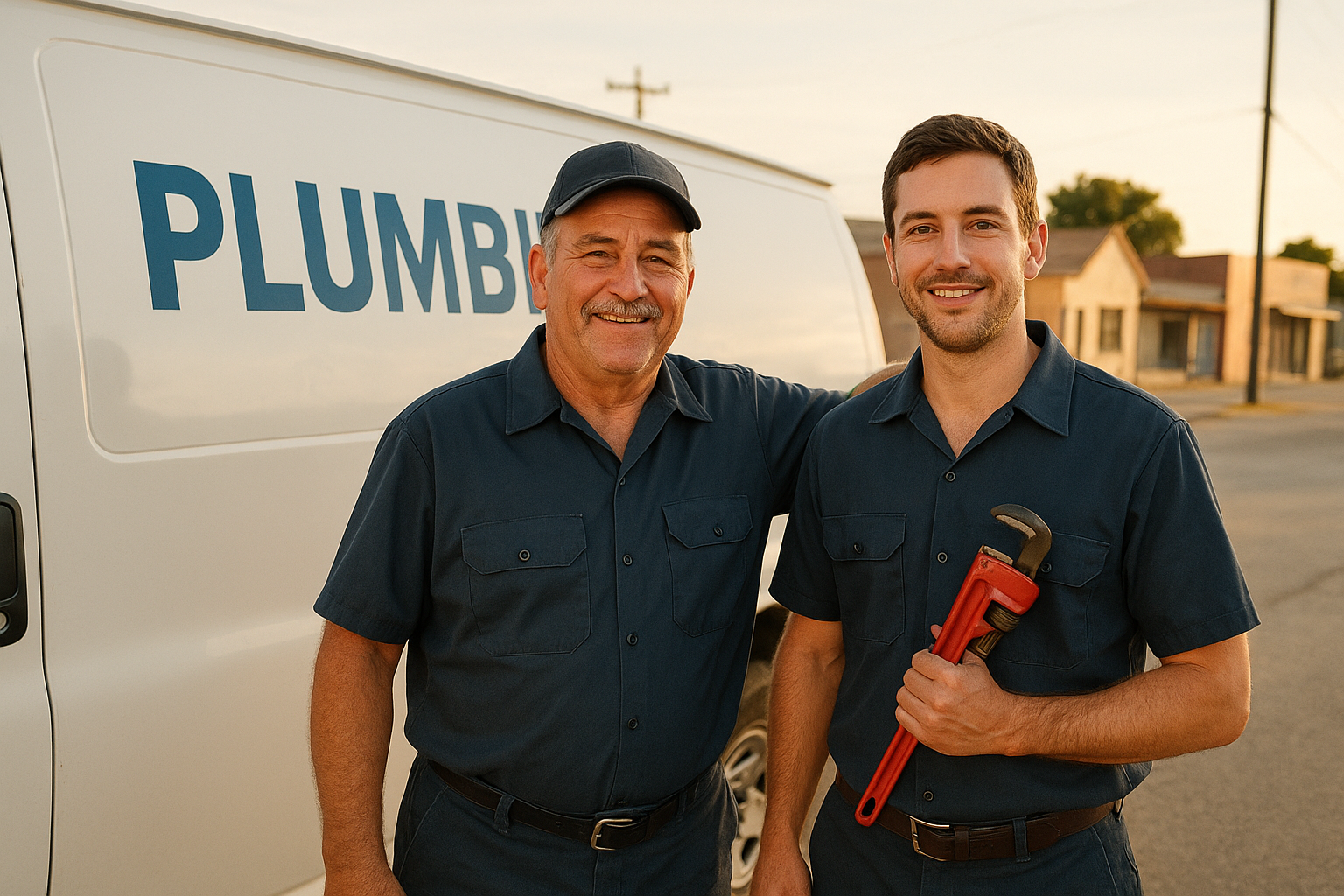
Harris Plumbing TX has operated as a family-owned plumbing company in Terrell, Texas, since 1990. Owner Steve Harris works alongside his son and a plumber who has been with the company for 15 years, and together the team reports over 46 years of combined plumbing experience.
The company states that it holds active plumbing contractor licenses and is certified for natural gas and LP gas work, serving Terrell, Kaufman County, and surrounding counties. In addition, Harris Plumbing TX offers free estimates over the phone at (972) 524-8492, so homeowners can get a clear picture of cost before committing to service. You can review the full range of offerings on the plumbing services page, and general inquiries can also be directed to harrisplumbingtx.net for scheduling details and service area confirmation.
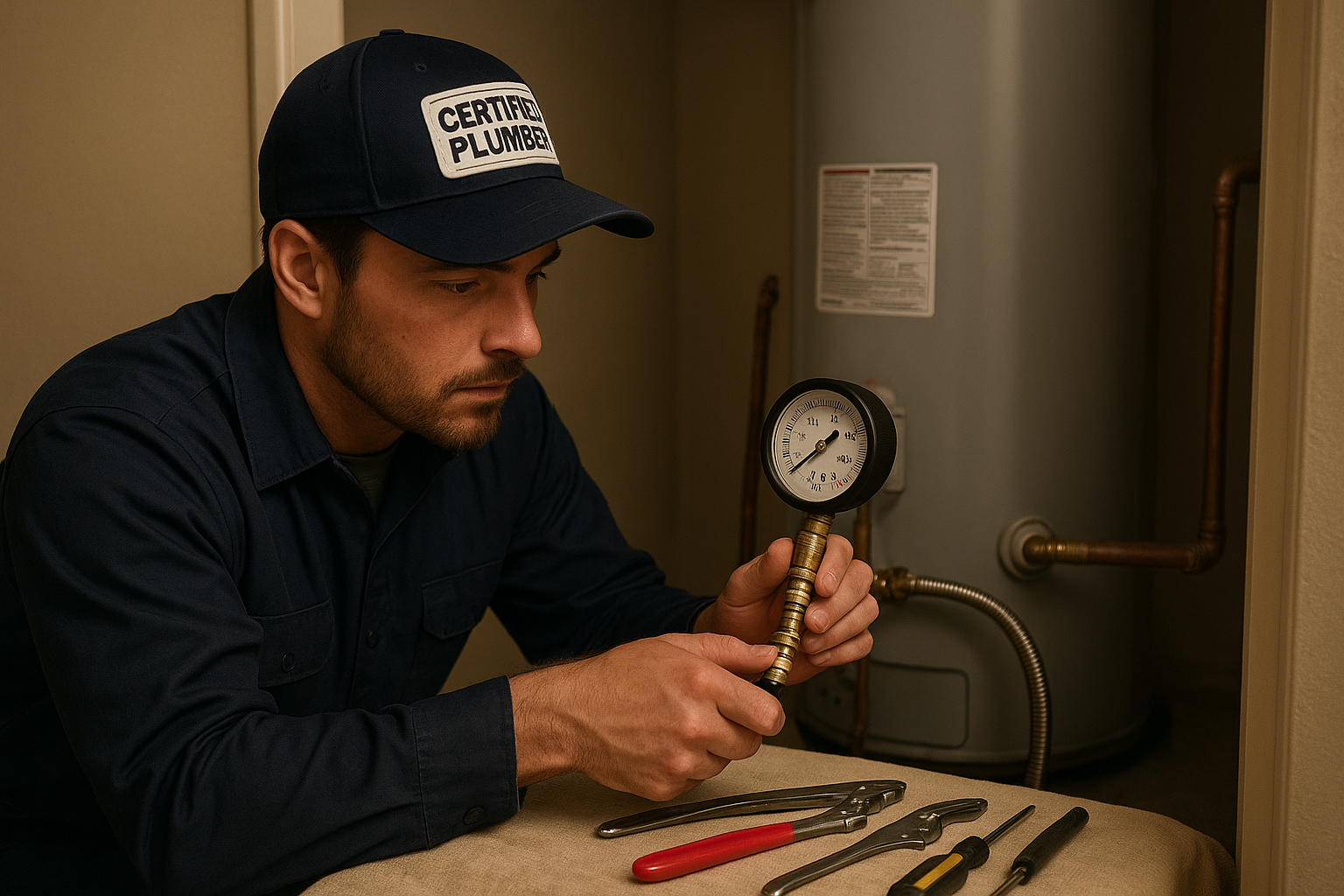
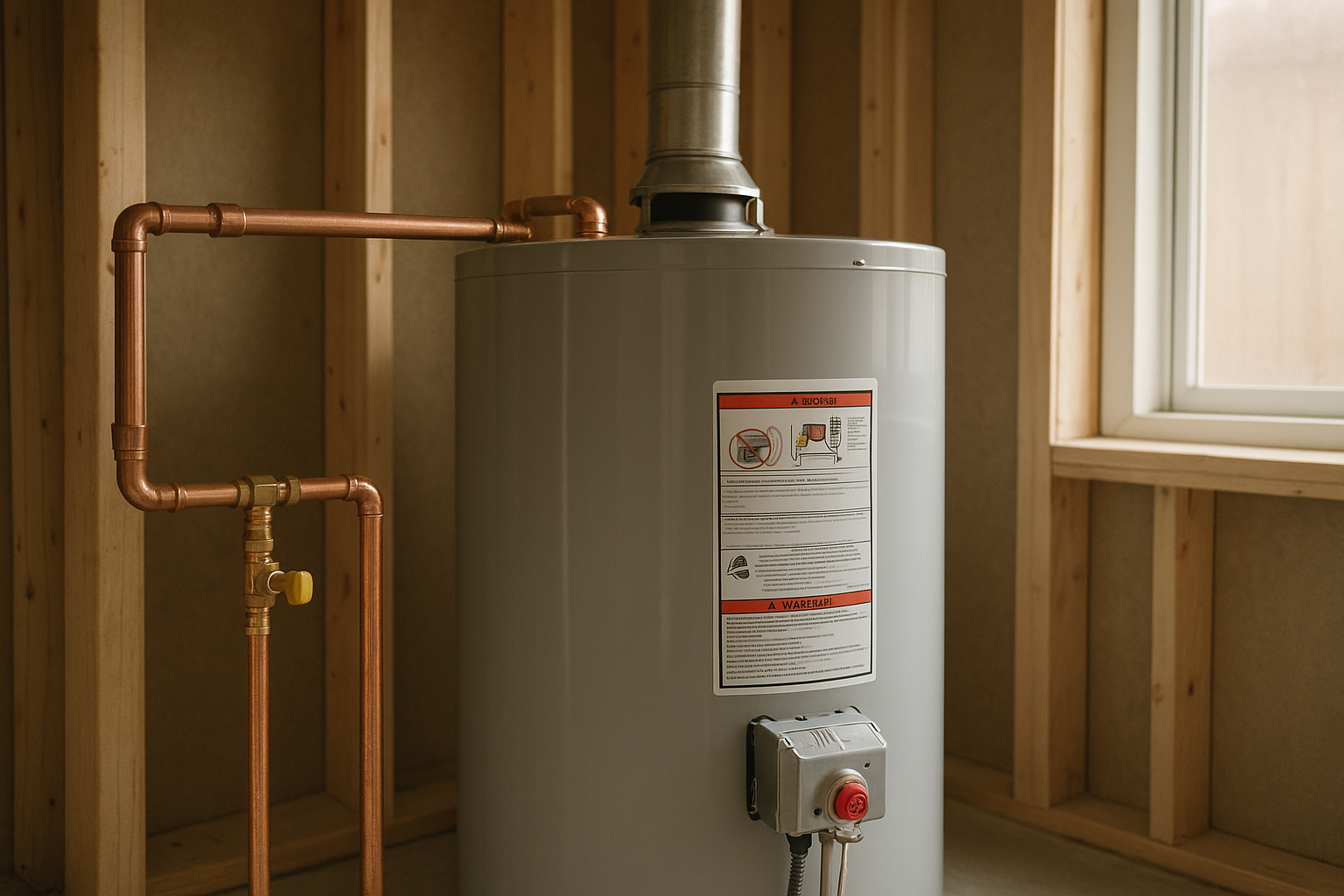
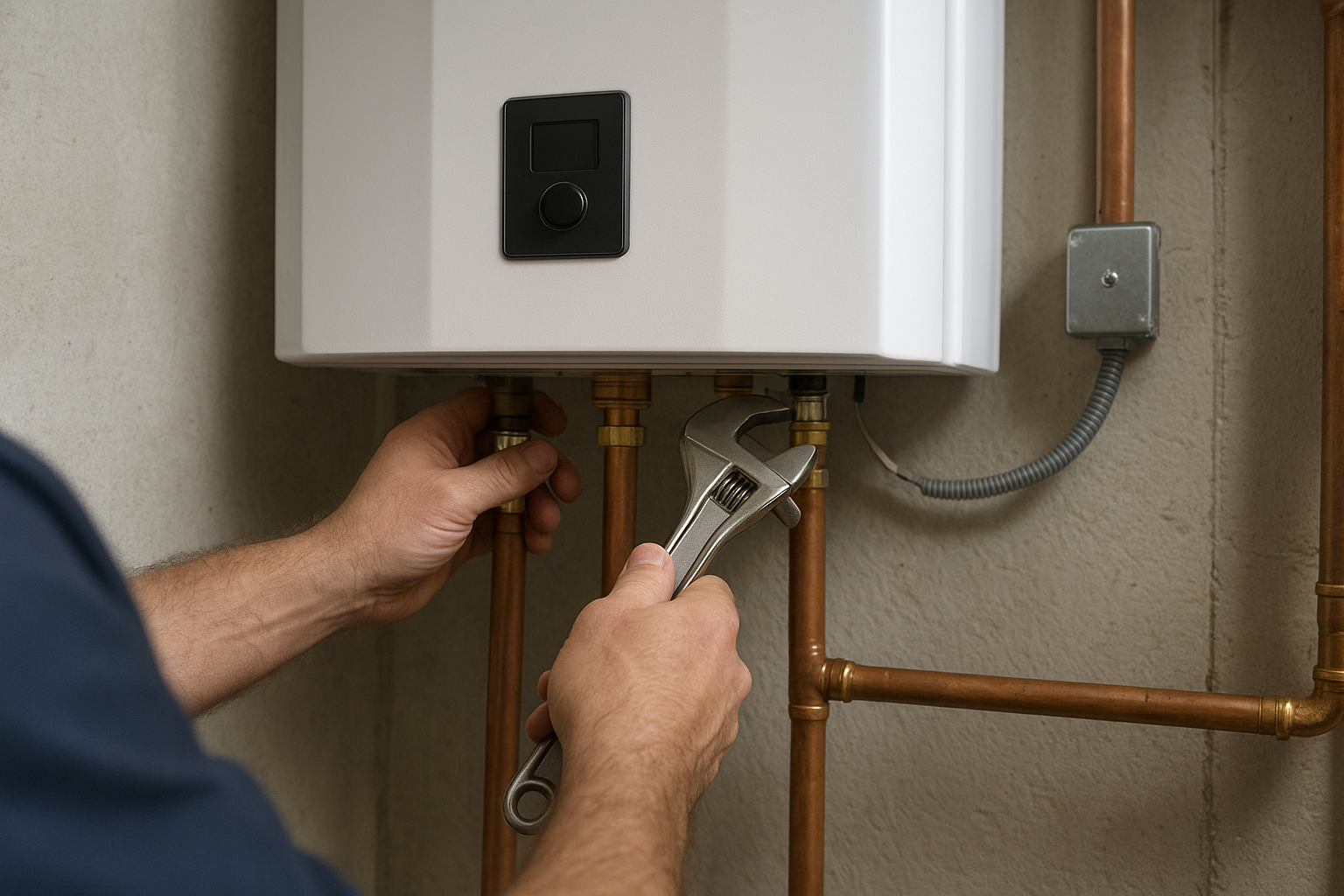
Proper testing of gas water heater connections helps prevent leaks before they start.
Natural Gas vs. LP Gas Plumbing Services
Natural gas and LP gas plumbing share many similarities, yet they are not identical systems. Natural gas arrives through underground utility lines maintained by a local provider, whereas LP, or liquid propane, gas is stored in a tank located on the property itself.
Because of this difference, regulator sizing, tank connections, and pressure settings vary between the two fuel types. Similarly, LP gas systems require periodic tank inspections that natural gas systems do not. A qualified natural gas and LP gas plumbing team should be comfortable working with both configurations, since many rural Kaufman County properties rely on propane where utility gas lines are not available. If propane is new to you, the guide on LP gas line installation near Kaufman County is a useful starting point.
Common Natural Gas Plumbing Problems in Kaufman County Homes
Older Kaufman County homes often develop gas plumbing issues as pipes age and fittings loosen over time. Corroded steel lines, worn appliance connectors, and faulty gas valves on water heaters are among the most frequent culprits behind service calls.
Water heaters, in particular, rely on a properly functioning gas valve and burner assembly, so a malfunction there can mimic a leak elsewhere in the home. For that reason, homeowners dealing with pilot light issues or gas odor near a water heater should schedule a professional inspection through a water heater installation and repair service rather than assuming the appliance itself is solely at fault.
If you’d like a broader overview of what a full installation project involves from start to finish, this natural gas line installation guide for Terrell, TX covers the process in plain language.
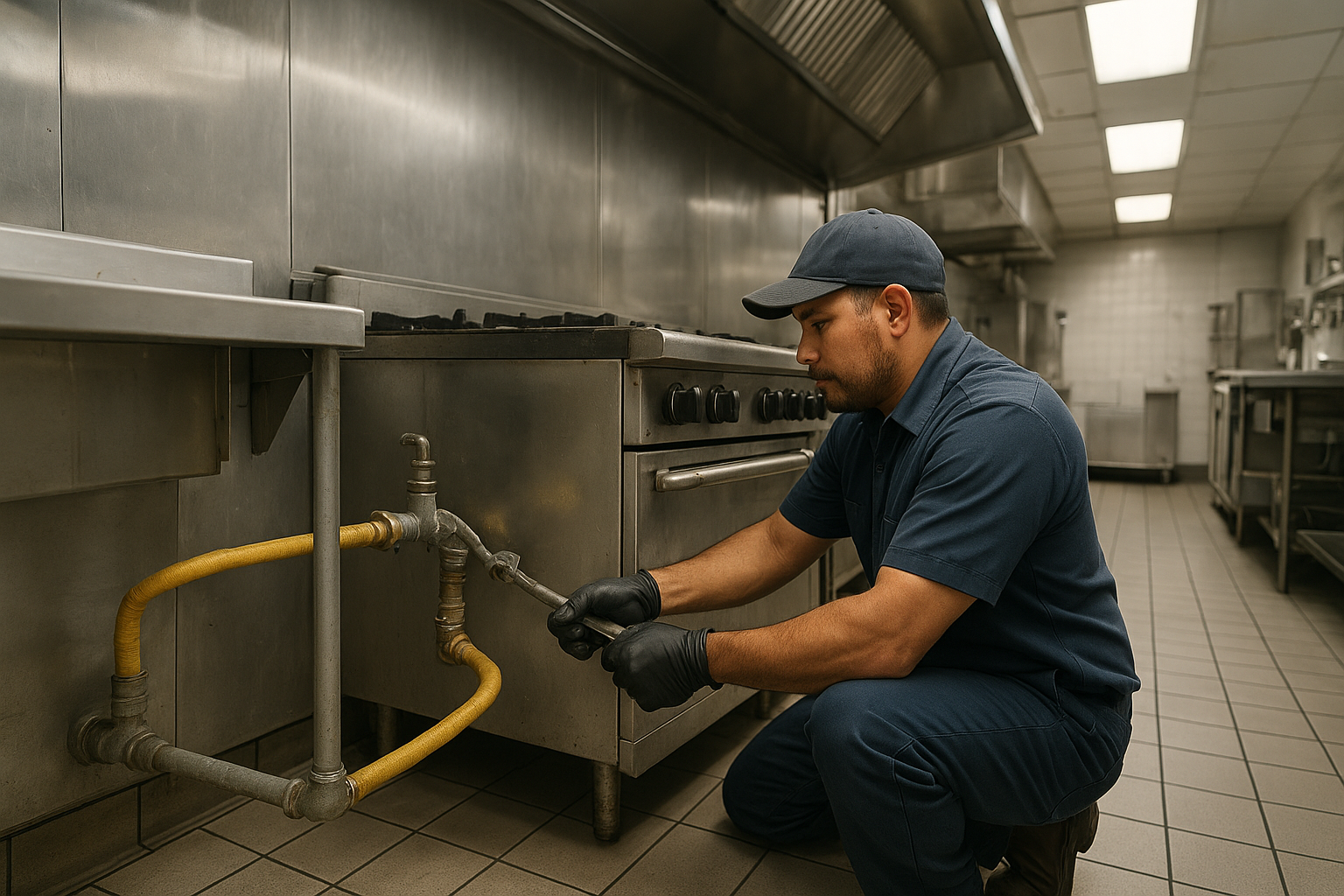
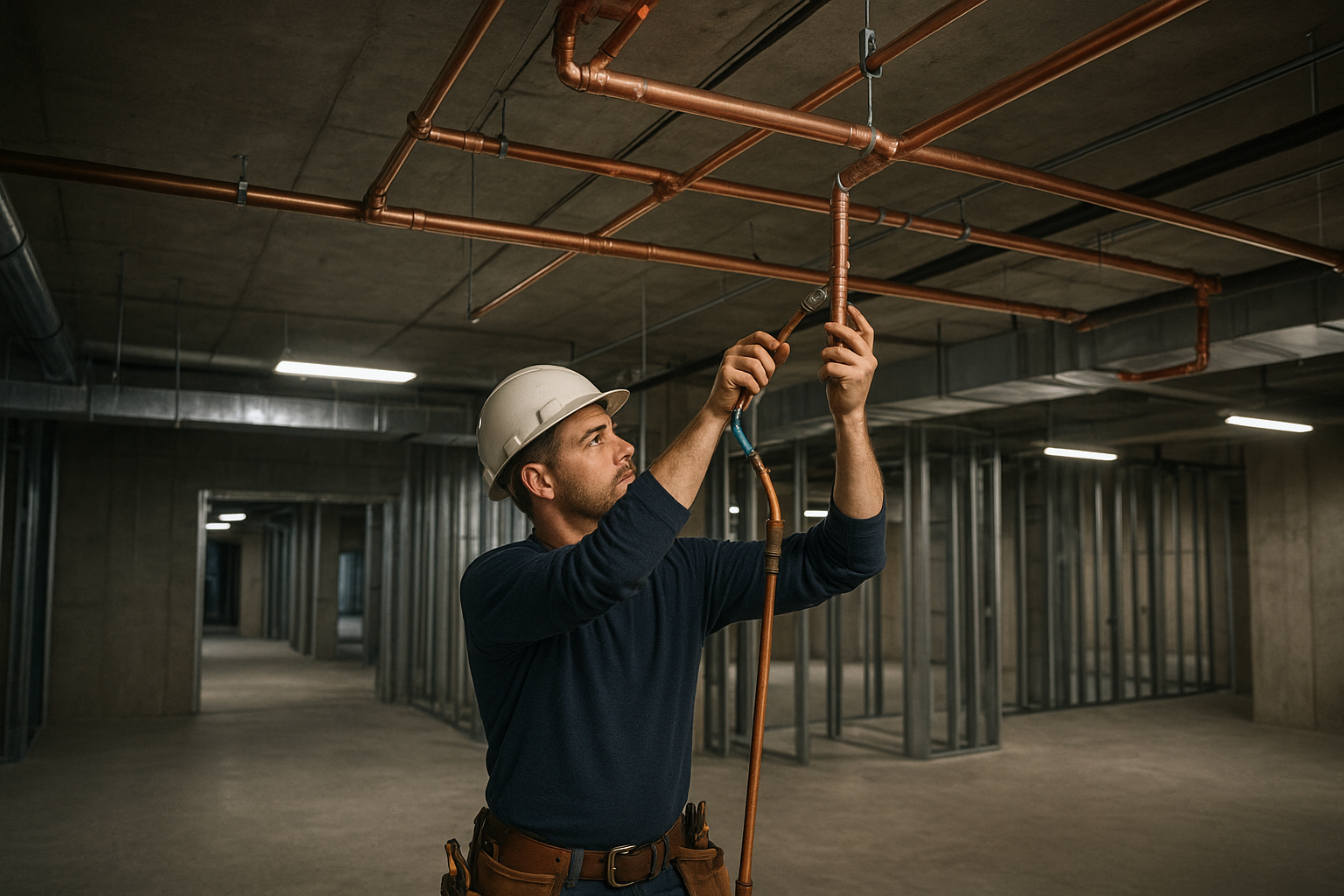
Commercial kitchens depend on properly certified gas line service to stay operational and safe.
Commercial Natural Gas Plumbing for Kaufman County Businesses
Restaurants, retail buildings, warehouses, and new commercial construction projects all depend on properly certified natural gas plumbing to keep operations running safely. Unlike a residential system, commercial gas plumbing often involves multiple appliances, larger line diameters, and stricter inspection schedules.
Because business downtime is costly, commercial plumbing work can often be scheduled around operating hours to minimize disruption. Harris Plumbing TX provides commercial plumbing services throughout Terrell and Kaufman County, working with restaurants, offices, and industrial facilities that need dependable, code-compliant gas line work.
Natural Gas Line Installation Cost Factors in Kaufman County
Cost is one of the first questions most homeowners ask, and understandably so. In general, pricing depends on the length of pipe required, how accessible the work area is, whether trenching or concrete cutting is needed, and the number of appliance connections involved. A short appliance hookup is far less expensive than a full new line run from the meter to a detached structure.
Because every property is different, a reputable natural gas plumbing contractor should provide a free, itemized estimate before any work begins. For current regional pricing context, you can review this overview of local plumbing offers and pricing in Terrell, TX.
Service Areas: Terrell, Kaufman County, and Beyond
Harris Plumbing TX serves Terrell and the surrounding Kaufman County communities, including Forney, Kemp, Crandall, and the rural properties scattered throughout the county where propane service is common. In particular, the company’s long tenure in the area means the team already understands the age and construction style of most local housing stock, which speeds up diagnosis on service calls.
For homeowners weighing options beyond gas line work, this resource on a trusted local plumber in Terrell, TX outlines the broader range of residential repair services available from the same team.
Frequently Asked Questions About Licensed Natural Gas Plumber Services
What is a licensed natural gas plumber Kaufman County residents can trust?
A licensed natural gas plumber Kaufman County residents can trust holds an active Texas plumbing license plus state-recognized certification for natural gas and LP gas work. This certification confirms training in gas line sizing, leak testing, and fuel-gas code compliance.
How do I know if my property has a natural gas leak?
Common signs include a rotten-egg odor, a hissing sound near pipes or appliances, unusually high gas bills, and dead or discolored vegetation near buried lines. If you notice any of these, leave the area and call a certified plumber immediately.
Why does natural gas plumbing require special certification in Texas?
Texas requires separate certification because fuel-gas systems involve combustion and pressure risks that standard water and drain plumbing does not. This extra credential ensures the technician understands venting, appliance connections, and leak-detection procedures specific to gas.
What is the difference between natural gas and LP gas plumbing?
Natural gas is delivered through underground utility lines, while LP gas is stored in a tank on the property. Both require certified installation, but pressure settings, tank connections, and regulator sizing differ between the two systems.
How much does natural gas line repair typically cost?
Costs vary depending on the length of pipe involved, accessibility, and whether excavation is needed, so most reputable companies provide a free estimate before starting work. Simple fitting repairs generally cost less than full line replacements.
How long does a gas line installation or repair take?
Minor repairs or appliance hookups often take a few hours, while new line installations or full repipes can take a full day or more. Timing depends on pipe length, permitting, and whether trenching is required.
Can I use a standard handyman for gas line work?
No, gas line work legally requires a licensed and certified plumber in Texas, not a general handyman. Improper gas connections can cause leaks, fires, or carbon monoxide exposure.
What mistakes do homeowners make with DIY gas appliance connections?
Common mistakes include using the wrong connector size, over-tightening fittings, and skipping a pressure test after installation. These errors can create slow leaks that are hard to detect without professional equipment.
Does Harris Plumbing TX offer emergency gas leak service?
Harris Plumbing TX serves residential and commercial customers throughout Terrell and Kaufman County and can be reached at (972) 524-8492 to discuss scheduling. Regular business hours are Monday through Friday, 8 AM to 5 PM.
Do commercial properties need different gas plumbing certification?
Commercial gas plumbing often involves larger systems, multiple appliances, and stricter code inspections, but it still requires the same core natural gas certification. Experience with commercial-scale installations, however, makes a meaningful difference in project efficiency.
How often should gas lines be inspected in Kaufman County homes?
Most plumbing professionals recommend a gas line inspection every one to two years, or sooner if the home is older or has recently been remodeled. Regular inspections catch corrosion and loose fittings before they become safety hazards.
What areas does Harris Plumbing TX serve for natural gas plumbing?
Harris Plumbing TX serves Terrell, Kaufman County, and surrounding counties for both residential and commercial natural gas and LP gas plumbing work. The company is based at 12200 County Rd 331-A, Terrell, TX 75161.
Do I need a permit for gas line installation in Kaufman County?
Most new gas line installations and many repairs require a permit and a follow-up inspection under Texas plumbing code. A licensed natural gas plumber handles this paperwork directly and schedules the inspection on your behalf.
What pipe material is best for a natural gas line installation?
Black iron pipe and corrugated stainless steel tubing, or CSST, are the two most common materials. The right choice depends on the application, the layout of the property, and local code requirements rather than cost alone.
How quickly can a licensed natural gas plumber respond to a gas emergency?
Response times vary by company and current workload, so it’s best to call directly and describe the situation in detail. If you smell gas, evacuate first and call from a safe distance rather than waiting for a scheduled visit.
In conclusion, choosing a licensed natural gas plumber Kaufman County property owners can rely on means checking for an active plumbing license, verified gas certification, current liability insurance, and genuine hands-on experience before any work begins. From spotting warning signs of a leak to understanding permits, pipe materials, and the difference between natural gas and LP gas systems, informed homeowners avoid unnecessary risk and costly mistakes. Harris Plumbing TX, serving Terrell and Kaufman County since 1990, offers free phone estimates and can be reached directly at (972) 524-8492 or through harrisplumbingtx.net to schedule certified natural gas and LP gas plumbing service.